Heat pumps now outsell gas furnaces: what that means when yours is due
AHRI data shows heat pumps outshipping gas furnaces for a fourth straight year, and widening the gap in 2026. Who a heat pump suits, what it costs and what changed with the federal tax credit.
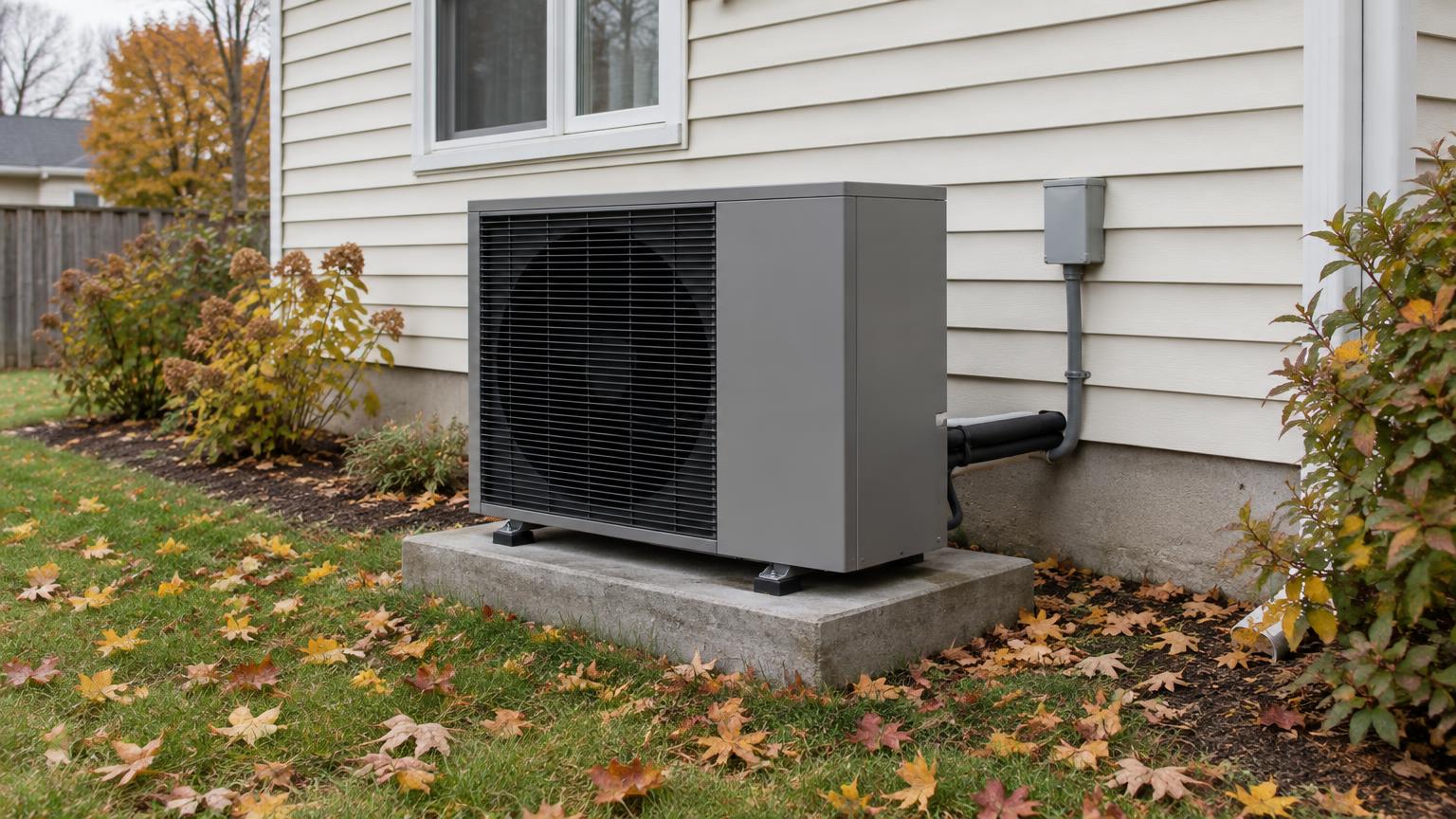
Yes, heat pumps now outsell gas furnaces in the US, and the gap is widening again in 2026. If your furnace or central air conditioner is near the end of its life, a heat pump deserves a real quote alongside a like-for-like replacement, especially if you have ducts and need new cooling anyway. It is not automatically the cheaper option. Upfront prices vary a lot, the federal tax credit ended with 2025, and whether you save on running costs depends on your climate and your local gas and electricity prices.
What the shipment numbers say
The cleanest data comes from AHRI, the trade group for heating and cooling manufacturers, which publishes monthly US shipment figures. As Contracting Business reported from AHRI's year-end release:
| Product | 2024 | 2025 | Change |
|---|---|---|---|
| Air-source heat pumps | 4,122,004 | 3,644,596 | down 11.6% |
| Gas warm-air furnaces | 3,120,677 | 3,247,426 | up 4.1% |
| Central air conditioners | 5,559,766 | 4,104,933 | down 26.2% |
So heat pumps shipped about 12% more units than gas furnaces in 2025. Canary Media noted it was the fourth year in a row heat pumps came out ahead.
2025 was a rough year for the whole market, though, with central air and heat pump shipments together down 20%. In 2026 the trend has turned back. Through August, according to ACHR News, heat pump shipments were up 5.7% to about 2.91 million, while gas furnaces were down 5% to about 2.11 million.
One caution when reading these numbers: a heat pump both heats and cools, so many of those units replace a central air conditioner, not a furnace. Some homes keep the furnace as backup. "Outselling" doesn't mean every buyer ripped out gas.
Why they're catching on
A heat pump moves heat instead of making it. In winter it pulls heat from outdoor air and pumps it inside; in summer it runs the other way and works as an air conditioner. That's why it's so efficient compared with electric baseboards or an electric furnace. The US Department of Energy says heat pumps can easily cut electricity use by 50% compared with electric resistance heating.
The old knock was that they gave up in real cold. Newer cold-climate models handle it far better. To earn the ENERGY STAR cold-climate designation, a heat pump has to deliver at least 1.75 units of heat for every unit of electricity at 5°F, and keep at least 70% of its rated heating capacity at that temperature compared with 47°F. A unit that meets that spec still works on a January morning in much of the northern US, though it may need backup heat on the coldest days.
Who a heat pump suits
It makes the most sense when:
- Your central AC and furnace are both old. Replacing both at once with one heat pump avoids buying two systems.
- You heat with electric resistance. That's where the DOE's 50% figure applies, so the savings are the most reliable.
- You have ducts in decent shape. A ducted heat pump can usually use the existing system, which keeps cost down.
- You live where winters are mild to moderate, or you choose a cold-climate model sized for your design temperature.
It's a harder call when gas is cheap where you live, electricity is expensive, and winters are long and cold. In that case a hybrid (also called dual-fuel) system is worth pricing: a heat pump does most of the heating and cooling, and a gas furnace takes over in deep cold.
What it costs
Quotes vary more for heat pumps than for almost anything else in the house, so get several. EnergySage's March 2026 cost guide, based on quotes through its marketplace, reports these average prices before incentives:
- Whole-home heat pump systems: about $15,400 on average, from roughly $8,000 in New Mexico to $33,000 in New York.
- Ducted systems: about $14,500.
- Hybrid systems with a gas furnace: about $14,400.
- Ductless mini-split systems for a whole home: about $26,000.
The biggest swings come from home size, the efficiency tier you choose, whether ducts need repair, and whether the house needs electrical work. Treat these as a starting point, not a price for your home.
Incentives: what changed
The federal Energy Efficient Home Improvement Credit (Section 25C), which covered 30% of a qualifying heat pump up to a cap, is gone for new installs. The IRS says the credit is not allowed for property placed in service after 31 December 2025. If your system was installed in 2025, you may still claim it on your 2025 return; a 2026 install doesn't qualify.
Federally funded Home Energy Rebates are a separate program run by each state, aimed mainly at low- and moderate-income households and usually applied at the point of sale through participating contractors. As of 2026 only some states have launched them, and funds can run out. Your state energy office and your electric utility are the places to check, and it's worth doing before you sign, because a rebate you learn about afterwards may no longer be available. Amounts and eligibility differ by state, so go by your program's own rules.
When yours is due: what to do and what to leave to the pro
Choosing, sizing and installing a heat pump is a job for a licensed HVAC contractor, and any electrical or gas work belongs to licensed trades too. That includes adding a circuit or upgrading the panel for the new system, and capping the gas line if a furnace is removed. Don't try any of it yourself. Your part is getting good quotes and asking the right questions.
- Start before the old system dies. A replacement chosen in a heat wave or a cold snap is usually the quickest available option, not the best one.
- Get two or three quotes, and ask each contractor to quote a heat pump and a hybrid system as well as a like-for-like replacement.
- Ask for a room-by-room load calculation (ACCA Manual J). NYSERDA's guidance for contractors warns against sizing by rule of thumb or simply matching the old unit, because an oversized heat pump short-cycles and handles comfort and humidity poorly.
- Ask what the system does on your coldest days: whether the model is cold-climate rated, what backup heat it uses and when that kicks in.
- Ask whether your panel has capacity, and whether the quote includes the electrician's work.
- Ask about rebates the contractor participates in, and get the incentive in writing on the quote.
Installers sometimes open a section of wall or ceiling to run wiring or refrigerant lines. Once the work is inspected and done, closing up small openings is a manageable weekend job; our guide to patching a hole in drywall covers sizes from nail pops up to fist-sized holes.
After installation, the upkeep you can do yourself is simple: change or clean the filter on the schedule in the manual, and keep the outdoor unit clear of leaves, snow and anything stacked against it.
